
cloud

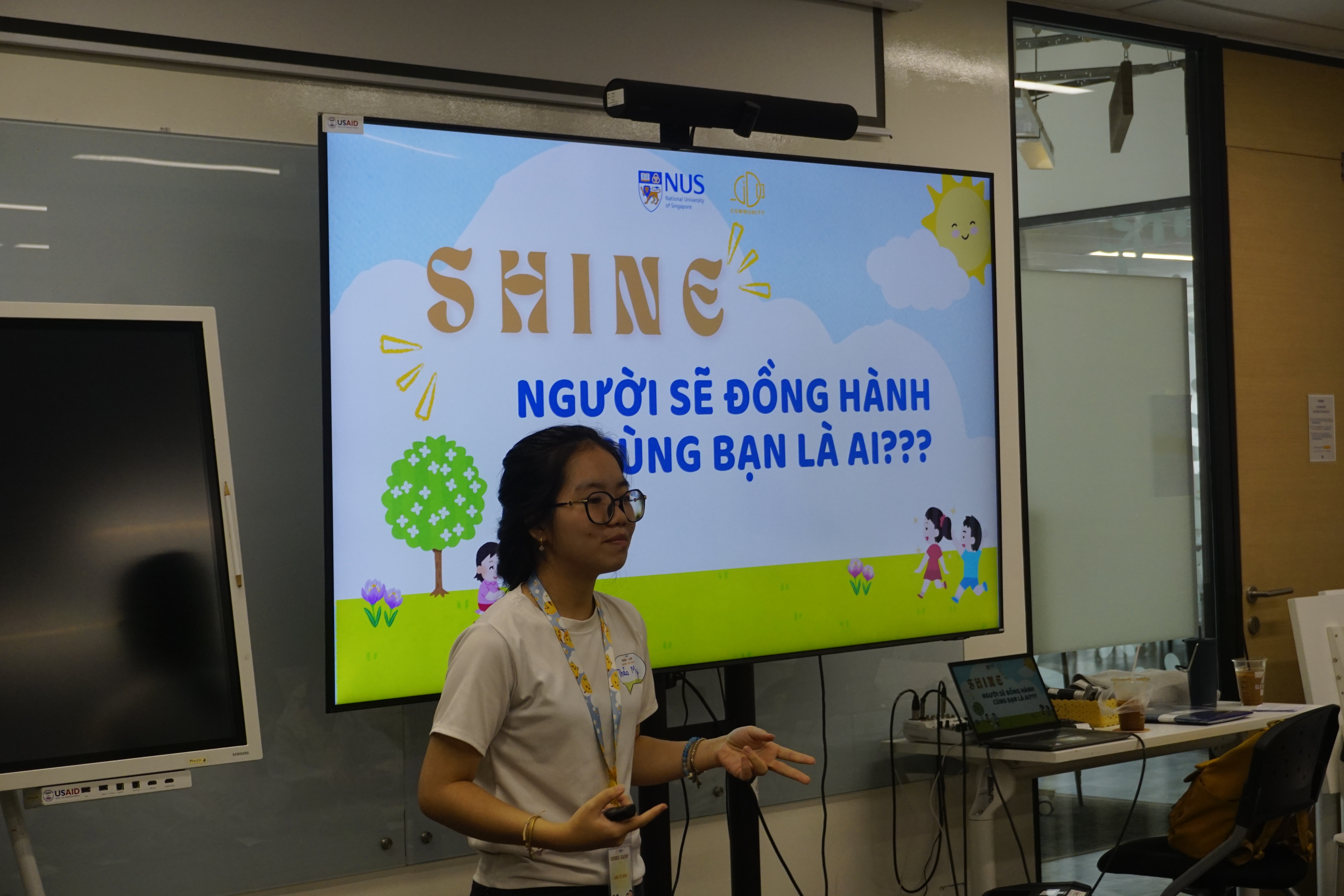
I am Ha Thi Thao My

A Social Studies major & Psychology minor, finding strength in gentle stillness and active compassion.

Philanthropy

Building bridges and nurturing communities toward sustainable impact.

Mindfulness

Grounding actions in deep stillness, peace, and deliberate choice.

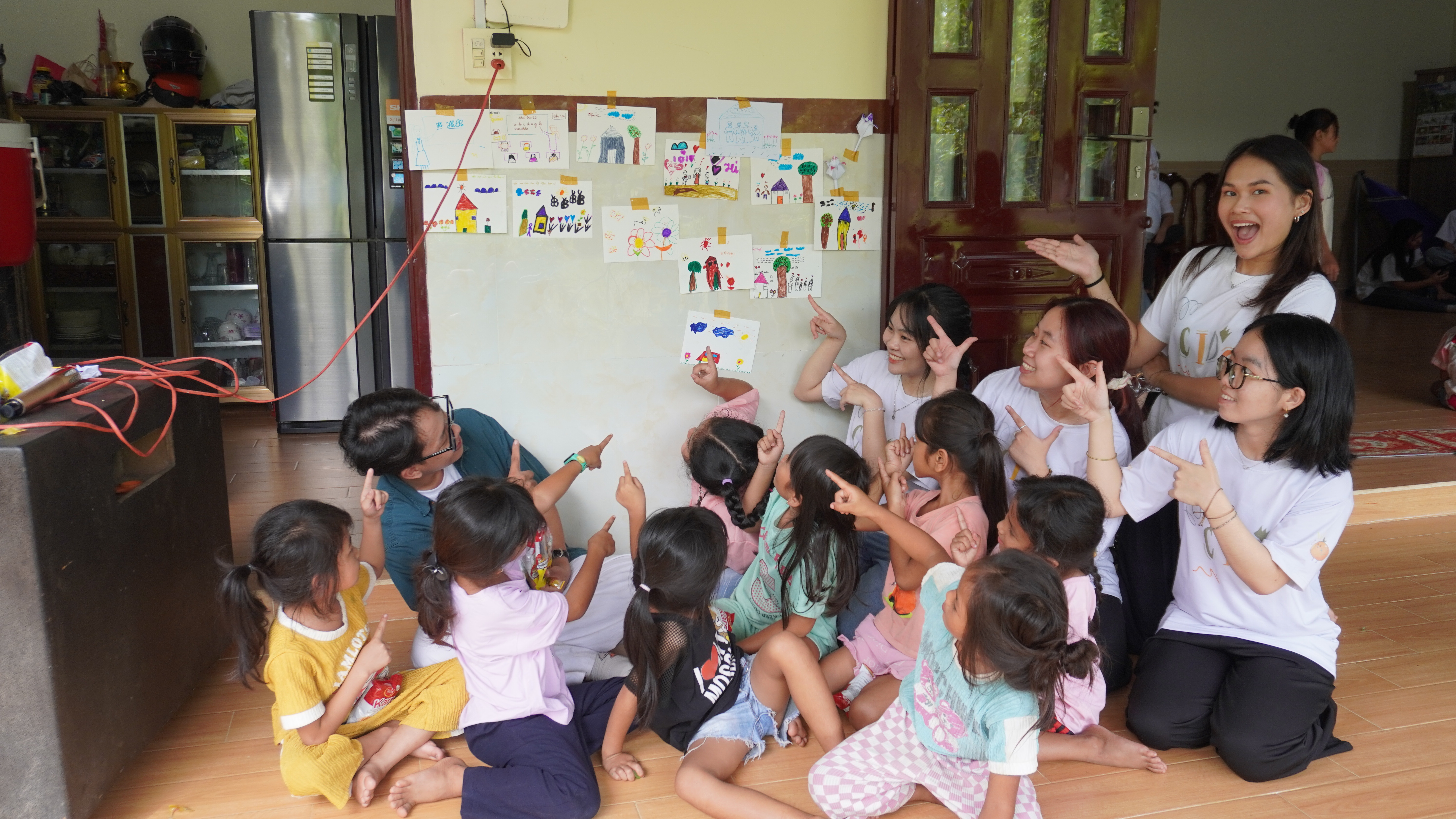
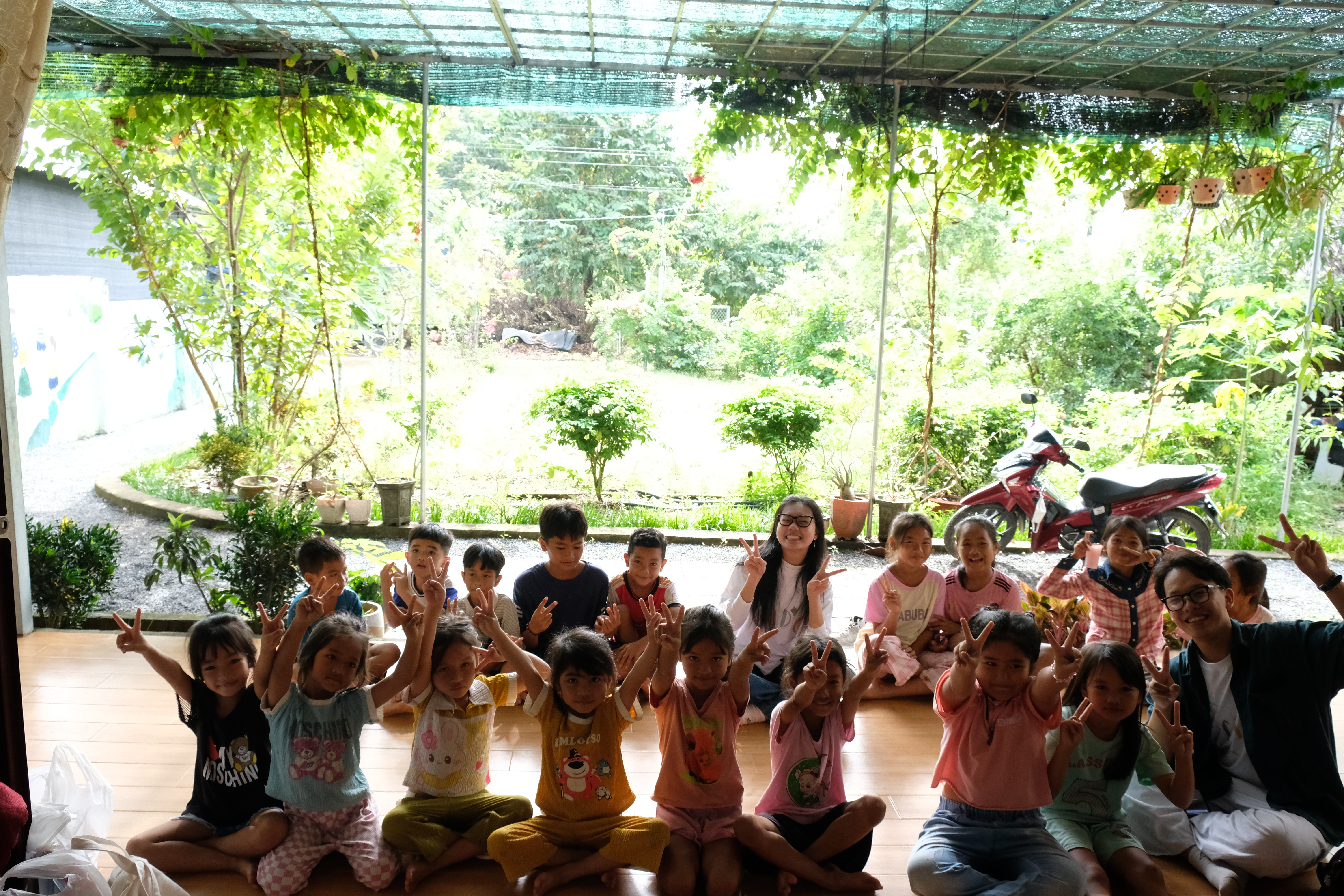
Youth Empowerment

Guiding and inspiring the next generation of changemakers.

flying bird cloud

Academic Library

My reflections, essays, and academic products exploring society, culture, and human behavior.

What would Bentham ultimately recommend? Examining career path dilemma through Bentham’s utilitarianism

An analysis of a personal career dilemma—choosing between economic security or passion for social work...

Read +

Course: Ethics and Moral Philosophy

Raised in a poor family, I find myself confronting a career dilemma: path A where I should pursue a high-income job that promises economic security, the ability to support my family; and path B where I commit to a social work career that aligns with my passion for helping people but offers limited financial stability. Through the lens of Bentham’s utilitarianism, this becomes a question of consequences: which path is more likely to maximize pleasure and minimize pain for all affected? This essay, by using Bentham’s principle of utility, argues that the seven-criteria calculus offers a structured framework to assess the pleasure and pain as consequences of each path. However, Bentham’s recognition of epistemic uncertainty due to imperfect predicting all consequences infers that utilitarian decision-making can be iterative, revising calculations when real consequences emerge.

On the one hand, Bentham’s seven felicific circumstances provide a rigorous framework to examine and compare the expected pleasures and pains of each path, which helps identify the choice that tends to produce the most utility. Bentham grounds the principle of utility in the idea that “pain and pleasure” govern all human behaviour by nature (p. 6), as they determine what individuals seek to pursue or avoid, and form the foundation for evaluating the goodness or badness of actions. For Bentham, an act aligns with the principle of utility when it tends to increase “benefit, advantage, pleasure, good, or happiness” and reduce “mischief, pain, evil, or unhappiness” for those affected (p. 7). To measure this, he proposes seven criteria or circumstances: intensity, duration, certainty, propinquity, fecundity, purity, and extent (p. 22)[1]. While Bentham’s measurements function as an objective and neutral tool, the application to certain path A and path B requires my explicit assumptions about each case’s consequences. The first assumption is that a stable salary from a high-income job (path A) produces predictable material benefits supporting my poor background while a social work (path B) cannot ensure income stability. The second one is that social work (path B) produces sustained intrinsic satisfaction to my passion while path A cannot. Under these assumptions, path A scores higher pleasure intensity and certainty than path B, because the contractual income is more reliable than contingent emotional rewards, and the benefit of high income is stronger when helping me sustain my life and overcome low living conditions. The propinquity is likely the same for 2 paths as no one promises a sooner pleasure or pain. For duration, the claim that material comforts last longer is conditional as their hedonic value may decline. The fecundity and purity may score higher either path A or path B since both can lead to more pleasure (e.g. more material consumption, making family happy in path A; helping many disadvantaged circumstances in path B), and more pain (e.g. more mental distress, spending for counselling in path A; low living condition, healthcare in path B). For extent, Bentham requires counting all affected parties, that path A directly benefits myself and my family, while path B may extend benefits to clients, communities, and other social networks, which could enlarge its aggregate utility. In the end, Bentham argues that the sum of all pleasure and pain after all calculations proposes what path can produce more utility and should be followed.

On the other hand, after introducing the rule of calculating, Bentham acknowledges the imperfect measurement and suggests the consideration of real experience and circumstances. He argues that “the nearer the process actually pursued on these occasions come to it, the nearer they will come to exactness” (p. 23). In other words, the accuracy of calculation depends on how closely the actual, real-life process matches the ideal method. From my interpretation, this point highlights the epistemic uncertainty inherent in moral calculation due to the limited foresight and unpredictable circumstances that make any evaluation provisional rather than absolute. Bentham identifies specifically the intensity, fecundity, and purity that cannot be fully known in advance, because their value depends on how individuals will in fact experience and use the resulting pleasures and pains. As he notes, it cannot be estimated until “the particular pleasures he may derive from it or the particular pains he may exclude by means of it are brought to view” (p. 23). Hence, identical sources of pleasure derived from it as an asset may yield different consequences depending on how they are acted upon. For example, a high-income job (path A) may initially promise strong intensity of pleasure, but if the income is later used in ways that generate stress, guilt, or strained relationships (e.g. I do gambling, overconsume in shopping, and do not support my family living), the pleasure’s purity may decrease and its fecundity may be limited. Conversely, a social work with lower income (path B) could generate modest initial pleasure but potentially higher fecundity if the act following leads to ongoing fulfilment, wider social benefit, and higher income. So, there is no way to exactly predict all consequences, which infers that the initial calculation cannot be true all the time.

From this approach, rather than rigidly committing to one path, Bentham’s framework can be interpreted to allow a more iterative process of calculating, acting, then recalculating based on the consequences that follow. Bentham states that the consequences of an act depend not only on the act itself but also on the “certain circumstances that enter into the essence of the offence because they contribute by their conjunct influence to the production of its consequences” (p. 48). The “conjunct influence” suggests that the act and its surrounding circumstances, including one’s own past actions or those of others, jointly shape the resulting outcomes. Therefore, a present choice becomes one of the circumstances that will later combine with future acts to produce new consequences, which may or may not align with the initial calculation. In this sense, the first calculation functions as a provisional hypothesis. Acting on it provides new information that enables a more accurate assessment of the criteria and infers to update the calculation that better maximizes utility. While Bentham does not explicitly indicate this iterative model of calculation, his logic accommodates a more practical application of utilitarianism given the unpredictable “nature of things themselves” and the “person’s faculties” at a given moment (p. 48)[2]. For instance, after the calculation likely supporting path A, I choose to do an internship in finance for three months, but I later experience stress and demotivation that affect my wellbeing, academic performance, and family happiness (higher pain intensity than the initial calculation). A recalculation may favour and allow a social-work internship (path B) later. This strategy also reflects the idea of breaking down a complex act (i.e. “doing social work” as a whole career path) into smaller and simple acts to experience and gradually evaluate (p. 46)[3]. The ending point of this iterative process, from my interpretation, would be when the recalculation produces the same results and the maximum of total utility remains stable over time.

To conclude, Bentham’s measurement provides a structured starting point for evaluating the two paths in my dilemma. However, his acknowledgement of imperfect prediction and uncertain circumstances suggests that utility should be recalculated as real consequences emerge. Hence, a Benthamite approach would invite me to measure the utility, reassess the expected utility of my choices over time and adjust my decisions in accordance to maximize pleasure and minimize pain.

References

Bentham, J. (2017). An introduction to the principles of morals and legislation (J. Bennett, Ed.). Early Modern Texts.

  1. Bentham defines these circumstances as follows: intensity (how strong the pleasure or pain is), duration (how long the pleasure will last), certainty (how likely the pleasure or pain to actually happen), propinquity (how soon the pleasure or pain will occur), fecundity (the likelihood of further sensations of the same kind), purity (the likelihood of not being followed by opposite sensations), and extent (how many people will be affected).

  2. Bentham notes that “the number and descriptions of the circumstances belonging to an act that appear to a person to be material will be determined by the nature of things themselves and the strength or weakness of that person’s faculties” (p.48). This highlights that the circumstances affecting the consequences depend on unpredictable external conditions and the agent’s capacities at the time, which limits predictive precision.

  3. Bentham distinguishes between simple and complex acts, noting that a complex act consists of multiple simple acts unified by a common goal, e.g., “giving a dinner, maintaining a child, exhibiting a triumph, bearing arms, holding a court” (p.46). The relevance here is that a “career path” should not be evaluated as one singular act, but rather as a series of smaller decisions and actions regarding the common goal that can each produce their own consequences and be recalculated along the way.

Second generation of Vietnamese Americans in the U.S.: Factors influence their perception and interaction with Vietnamese cultural identities

An exploration of how personal motivation, family influence, and governmental impact shape the bicultural identity...

Read +

Course: Modern Vietnamese Culture and Society

According to the Pew Research Center (2019), there were approximately 1.5 million Vietnamese Americans in the U.S., which includes both those who were born in Vietnam and those who were born in the U.S. The second generation of Vietnamese Americans in the U.S., who were born and raised in the U.S., must navigate a complex cultural context, straddling between their Vietnamese roots and their adoption in America (Hien, 2016; Chu, 2016; Yee, 2020). That context can be called “biculturalism”, which refers to the fact of including two different cultures in their lives (Tran & Bifuh-Ambe, 2021b, p. 174). However, a significant portion of them also acknowledge their Vietnamese cultural identity, and some express a desire to explore the cultural origins of Vietnam and actively engage in preserving Vietnamese heritage. In this essay, I argue that these inclinations result from three main factors, which are personal motivation, family influence, and the impact of Vietnamese government in both Vietnam and the U.S. under the context of biculturalism. The essay will first picture the role of personal factors in shaping the sense of Vietnamese cultural identity among those Vietnamese Americans. Following from this is the influence of family or intergenerational factors on their perception of Vietnamese cultural identity. The final analysis focuses on the standpoint and actions of the Vietnamese government in both their home country and adopted country in constructing and preserving their homeland identity.

The perception of Vietnamese cultural identity is firstly indicated by the personal drive of the Vietnamese American second generation, which is the self-identification and self-awareness of their roots in the context of biculturalism. Several research studies have tried to investigate how the young Vietnamese Americans think about Vietnam and Vietnamese cultural identity while they were not born in Vietnam and may not have been there. On the one hand, many young Vietnamese Americans acknowledge their Vietnamese origin and have a strong desire to explore and understand Vietnamese cultural identity. For example, according to the article “Ethnic Identity among Second-Generation Vietnamese American Adolescents” by Tran & Bifuh-Ambe (2021), all the youths in the study reported “being proud of their Vietnamese heritage and values”, and they were “willing to share their traditions with peers from other cultures.” (p. 172). In this case, they identified themselves as Vietnamese and have a strong awareness of Vietnamese identity, which could motivate them to investigate and preserve Vietnamese culture while living in an American context. On the other hand, some people try to negate their Vietnamese origin and identify themselves as Americans (Hien, 2016). In the journal “Exploring ethnic identity and self-esteem in Vietnam” (2019), Collen Wilcox worked on the case of Tony Do, who is the second generation Vietnamese American and is trying to research his cultural identity. Unlike the previously mentioned case, Do had not considered Vietnam his home and felt very conflicted at the first time coming to Vietnam (Wilcox, 2019). However, this was also a motivation for him to start exploring Vietnamese identity to understand more about his roots. The interesting point we can conclude is that whether the Vietnamese American self-identifies as Vietnamese or not, they tend to have strong curiosity about their Vietnamese roots and strive to delve into them.

In addition to personal motivation, family or the intergenerational relationship is an important factor in their perception of Vietnamese identity, since family initially shapes the sense of belonging about Vietnamese identity in young Vietnamese Americans. As a Vietnamese American said in Hien’s study, his identity consciousness was “influenced by Vietnamese culture in family relationships and parent’s behavior” (Hien, 2019, p. 449). Indeed, in their early lives, various young Vietnamese Americans had opportunities to be surrounded by Vietnamese language, traditional cuisines, festivals, and respecting manners through their family members who were closer to Vietnamese culture. For instance, they are encouraged to use the Vietnamese language at home; participate in Vietnamese traditional events such as the Lunar New Year, the Mid-Autumn Festival, etc., and attend other Vietnamese communities such as temples or youth programs (Tran & Bifuh-Ambe, 2021, p. 174). Besides, they are also told various family stories or memories of family customs and life in Vietnam (Hien, 2016, p. 451). That daily basis significantly helps to construct their sense of belonging to Vietnamese cultural identity, which directly leads to their personal motivation to explore their Vietnamese roots. On the contrary, when parents chose not to instruct Vietnamese tradition and language to the next generation, they hardly felt they belonged to Vietnamese identity and identified themselves as Vietnamese. Within the context of being surrounded by such a dominant American community, a number of young Vietnamese Americans “expressed that they are not sure about their identity and feel that they do not belong to anywhere” (Hien, 2016, p. 450). In other words, they tended to have less motivation to understand Vietnamese roots when living in this situation. To sum up with the previous case, the way Vietnamese Americans perceive their Vietnamese identity is considerably dependent on how their family directed their self-identification at a young age.

The last main factor influencing the perception of cultural identity among the Vietnamese American second generation is the impact of the Vietnamese government in the U.S. and Vietnam through official policy, discourses, and supporting actions toward them. In general, many research studies prove that the Vietnamese state aims to foster a sense of belonging and cultural identity among the Vietnamese American community in the U.S., including those in the second generation. One of the most impactful initiatives is the effort to create a concrete Vietnamese community to preserve traditional cultural identity in the adopted country by helping to build temples, youth programs, etc. for the Vietnamese. For example, in San Jose, California, the Vietnamese government supported building a Hung King temple to encourage the tradition and help spread knowledge about important cultural heroes among this community (Hien, 2016, p. 454). Another research study from Tran & Bifuh-Ambe (2021) indicated that the temple and youth group (such as the Buddhist youth program), which is also supported by Vietnamese authority in the U.S., had helped them improve Vietnamese language use and engage with Vietnamese cultural identity more (p. 176). On the other hand, in Vietnam, the government has implemented many policies and discourses related to “bloodlines”, “origins”, and “homeland” toward Vietnamese Americans to encourage them to return to Vietnam (Koh, 2015, p. 181–182). The most important ones are “visa exemptions, home ownership rights, a single price system for all Vietnamese, and dual nationality”, which are highly valuable for them to come back and live again in their homeland (Koh, 2015, p. 185). Although there are still some specific challenges in those returning policies from Vietnamese states, it is undeniable that those actions and discourses have had a strong impact on Vietnamese Americans in enhancing their national identity and fostering “unity beyond national boundaries” (Koh, 2015, p. 185). In this way, the young generation of Vietnamese Americans will have a better sense of belonging to the Vietnamese cultural identity, preserve this identity within the bicultural context, and have a tendency to return to Vietnam someday.

Despite living in an intricate context of biculturalism between Vietnamese roots and American adoption, the second generation of Vietnamese Americans still maintains a specific desire to explore, understand, and engage with Vietnamese cultural identity. This results from the combination of three main factors: personal motivation, influence from family members, and the impact of both the Vietnamese government in the U.S. and Vietnam itself. Among these factors, family and government play crucial roles in navigating their personal drive toward embracing and exploring the essence of Vietnamese culture. From my perspective, researching the different influences that shape the perception of second-generation Vietnamese Americans regarding their homeland can serve as an impactful strategy for preserving and enriching Vietnamese cultural identity in a transnational context. This approach benefits not only Vietnamese Americans but also other individuals with Vietnamese roots worldwide.

References

Budiman, A. (2024). Vietnamese | Data on Asian Americans. Pew Research Center. https://www.pewresearch.org/social-trends/fact-sheet/asian-americans-vietnamese-in-the-u-s-fact-sheet/

Chu, L. T. (2016). From Reaction to Action: Re-conceptualizing the Vietnamese American Diasporic Experience. Journal of Vietnamese Studies, 11(2), 37–42. https://www.jstor.org/stable/26377908

Hien, N. T. (2016). Cultural Adaptation, Tradition, and Identity of Diasporic Vietnamese People: A Case Study in Silicon Valley, California, USA. Asian Ethnology, 75(2), 441–459. http://www.jstor.org/stable/asianeth.75.2.441

Koh, P. (2015). You Can Come Home Again: Narratives of Home and Belonging among Second-Generation Việt Kiều in Vietnam. Sojourn: Journal of Social Issues in Southeast Asia, 30(1), 173–214. http://www.jstor.org/stable/24779833

Tran, T. T., & Bifuh-Ambe, E. (2021). Ethnic identity among second-generation Vietnamese American adolescents. Journal of Ethnic and Cultural Studies, 8(2), 167-186. https://www.jstor.org/stable/10.2307/48710309

Wilcox, C. (2019, January 07). Exploring ethnic identity and self-esteem in Vietnam. NDWorks. https://ndworks.nd.edu/news/exploring-ethnic-identity-and-self-esteem-in-vietnam/

Yee, M. (2020). Journeying “Home”: Negotiating belonging as Vietnamese American Việt Kiều. Journal of Southeast Asian American Education & Advancement, 15(2). https://doi.org/10.7771/2153-8999.1207

Intentional Setting, Fragmented Privacy, Invisible Community: The Paradox of Liminality in Chốn Riêng café at District 7

An ethnographic study exploring the intentional setting, privacy dynamics, and community building...

Read +

“Do you want to study-date with me?”

“Where?”

“Chốn Riêng café? You wanna try? It is a good study coffee that I was taken to.”

“Okay. Let me try!”

On a random day in August 2024, my boyfriend asked me to have a study-date at “Chốn Riêng café” as a refreshing way to engage in productive bonding time. That was the first time I heard and came to one branch of Chốn Riêng café in District 10, which gave me a strong initial impression of a cozy café hidden under a long alley from a hustle avenue. One year later from my first encounter, the launching of a new location in District 7 urged me to visit Chốn Riêng café again, partly because of my curiosity to revisit my favorite space with possible proximity, and partly because of the practical need for a study spot with my friend.

Following Google Maps for over twenty minutes, I discovered Chốn Riêng café deep within an alley off Tran Xuan Soan street, District 7, such a secluded spot reminiscent of the previous one. Conventionally, Tran Xuan Soan is perceived as a rather mundane road situated on the periphery of District 7, and notably running alongside the Te Canal - one branch of the Saigon River, where frequent tidal surges disrupt the livelihoods and daily commutes of residents. The street’s rhythm remains in a perpetual state of frenetic activity, defined by dense flows of traffic, street vendors, or food and fruit stalls scattered across the pavement, all of which entwine in a chaotic dance from early morning until late at night. The official address of Chốn Riêng café (District 7) is 791/25a Tran Xuan Soan street, which lies in quiet solitude, deep inside a small alley, completely contrasted to the dynamic energy of the main road outside. Scattered with gravel, wild plants, and residential houses, Chốn Riêng café displayed merely the same as other residential houses around, with the black iron fence, the three-step cement staircase guiding to a ground floor with nothing - no tables, no chairs, no people - just like an actual abandoned house. The only exception is a small, illuminated rectangular box reading ‘chon rieng’ - a subtle sign that is more than a mere residence.

Navigating the narrow staircase with lingering skepticism about Chốn Riêng café’s existence in this place, I was once again struck by the scene behind the main room door on the second floor: people glued to their screens, seemingly immersed in their own solitary zones within the silence and dim yellow light. Someone was silently weeping in a corner. A couple was leaning on each other and watching a movie. Another was crocheting with ears enclosed by headphones. Each individual was engaged in their own private act, seemingly alone, yet I held a belief in an intimate connection, which may be invisible but palpable, existing amongst them. A living community. And thus, my ethnography began, driven by a curiosity about such spatial perception of privacy and public space, and the nature of community at Chốn Riêng café.

Drawing on distinct fieldwork and interactions with both customer and staff, I argue that Chốn Riêng café is not merely a commercial establishment, but a manifestation of a specific liminal space, intentionally curated to nurture the imagined privateness of the self in negotiation with the public sphere. Yet, paradoxically, a new form of communitas emerges among the café’s inhabitants, invisibly constructed by the shared desire and tacit cultural norms within the visible space.

Palpable and Intentional - The Setting of Chốn Riêng café.

Chốn Riêng café, from its name, evokes the sense of absolute separateness and privateness. In Vietnamese, Chốn means a site, but it is often used as a beautiful and aesthetic term in poems or literature rather than in verbal communication. Riêng conveys the solitude feeling that excludes oneself from the others. Then, the name of this café, at the first time, arouses the imagination of a place defined by utmost privacy, discretion, and separateness.

The setting of Chốn Riêng café is intentionally curated to prioritize seclusion and self-focus for productivity; yet it remains palpably open to intimacy between those seated side-by-side in such a public space. The special configuration here includes the mixed usage of big, rectangular and small square wooden tables, the arrangement of table and chair within each room, the display of dim yellow lamp on each table with the power outlets to meet the studying demand, the decoration of black vinyl records, colorful spools of thread, beige handwritten notes, and monochrome paintings on the walls. This intentionality is manifested explicitly to the patrons with diverse feelings and interpretation. Specifically, “dark”, “cozy”, and “vintage” are the most common words that customers use to describe the café’s spatial vibe. Long, who is a final year student, visits three different locations of Chốn Riêng café including this one in District 7, shared that “Chốn Riêng is remarkably consistent in maintaining a deeply dimmed atmosphere, illuminated only by a solitary, subdued lighting, just sufficient to prevent eye strain”, which is very suitable to focus solely on studying or working on both laptops and papers. For Hoa - a customer who has visited Chốn Riêng café in District 7 for two times, the decor here fosters a “cozy and work-oriented mindset”, with sticky notes and yarn spools smartly chosen to evoke imagination and creativity for students. Moreover, she pays more attention to the general design of the café that has a “very distinct subdividing nature”: the entire café is subdivided into a few rooms; rooms are subdivided into a number of zones; zones are subdivided into tables, which apparently create a sense of separateness with each other in a same space. According to a staff of Chốn Riêng café, the founder curated this space with the intention that it minimizes direct face-to-face orientation, eye contact with others, and the scrutiny of others on ourselves. In this way, the setting of Chốn Riêng café is palpably designed as a space to cultivate the privacy for customers themselves, and the needs of studying and creativity within that space. However, the inescapable reality of co-existing with strangers in a public sphere renders this intentional setting paradoxical, leaving the customers’ sense of privacy blurring into ambiguity and fragmentation.

Fragmented and Imagined - Privateness in Negotiating with the Public Sphere.

There are two divergent narratives regarding the sense of privacy at Chốn Riêng café: one perceiving it as sufficiently private and comfortable, while the other argues that the privacy feels incomplete and not fully comfortable. This leads to my perspective on fragmentation, where privacy is broken into discrete, discontinuous segments that vary subjectively from person to person. Moreover, it highlights the imagined nature of this privacy, reflected in the fact that seclusion at Chốn Riêng café is not factually real, but is rather a mental construct, intentionally fabricated to satisfy the needs of the self.

On the one hand, Chốn Riêng café is perceived as a sufficiently secluded and domestic space, effectively fulfilling the specific expectations of its customers. Nga, a customer who came to Chốn Riêng café twice, shared about her feeling of privacy and “home” within the space. She emphasized the comfort to “do anything without anyone caring or judging me” - the privacy and freedom without scrutiny; also the “switching beds” feeling compared to her home as she felt she could sleep or study comfortably there. As a couple choosing Chốn Riêng café for a date, Nga and her friend express their “không ngại” feeling (the lack of inhibition and embarrassment) when they hug or lean on each other. Within this environment, they believe that no one minds anyone else, intimacy is normalized among other couples, and individuals should feel liberated to act on their desire without the fear of external judgement. Similarly, this sense of “not being seen, judged, minded” and “focusing on my work” is shared widely for all customers I talked to, and including myself when I focus solely on my work and do not care about the others. 

On the other hand, in fact, this is always an illusion because they are in the public sphere, where everyone has the ability to observe and be observed by another one. 

“It is not that I’m imagining it; it’s simply because I CAN look at others, so they CAN look back at me if they want to. Even if they aren’t looking right now, there is always a certain probability that they might be.” - Hoa strongly stated about her acknowledgement of reciprocal visibility and scrutiny at Chốn Riêng café.

Actually, the presence of myself observing them to understand the living dynamics within this space also proves Hoa’s argument. Besides her, other customers also share this sentiment, reporting a lack of complete seclusion and comfort driven by the same anxiety: the ever-present possibility of being scrutinized. For example, An highlighted a specific discomfort regarding involuntary table-sharing with strangers. “If I’m sitting alone and facing another solo person, it’s fine. But if I’m facing a couple, it can be quite distracting”. This visual intrusion conflicts with her predetermined expectation of solitary work at Chốn Riêng café, leading to the dissatisfaction and “not private” feeling. Interestingly, the contrast between Nga’s perspective as part of a couple and An’s solitary presence illuminates the complex interplay between individuals entering this café with divergent purposes: bonding with friends or focusing on work. Moreover, it reveals an entanglement of obligations toward oneself versus others, and the undeniable existence of others within one’s private sphere.

The sense of insufficient privacy and comfort, specifically the way the verdict of “sufficiently private” fluctuates based on seating, individual needs, and perceived scrutiny, exemplifies the fragmented and discontinuous nature of privacy here. Furthermore, this validates the imagined privacy at Chốn Riêng café: customers actively construct a narrative of being observed, driven either by willfully disregarding the presence of others, by the luck of not having encountered a gaze yet, or by a deliberate choice to believe in this illusion to safeguard their desire for self-absorption in a space where they came expecting exactly that. And then, if one cannot fit oneself in this intentionally setting space, they can choose to leave Chốn Riêng for those who can adapt themselves within this invisible but resilient culture and community.  

Invisible and Ambiguous - The sense of ‘Communitas’ Emerging within the Liminality of a Public Place.

  • Do you think Chốn Riêng is a community?
  • No. I only focus on myself. If I had to be forced into a community, it would be a community where everyone has their own goals and just minds their own business. 
  • I have no need to belong to any community here. Nor do I feel like I have to connect or bond with the other people in the space.
  • I think when I sit there for three to four hours, quite naturally, I can begin to feel a vague sense of connection with the one who has sat through that same timeframe with us.

Skeptical of the existence of any form of community within Chốn Riêng café, I sought to uncover traces of human connection, whether revealed through tangible manifestations or sensed through invisible and ambiguous feelings. Their responses vacillated: at once seemingly evoking signs of community, yet simultaneously attempting to deny any bond, instead insisting on the distinct individuality of each individual. Nevertheless, I am inclined to argue that Chốn Riêng café is cultivating an invisible community, situated on the ambiguous boundary of perception between public and private space. This phenomenon, through the lens of Victor Turner, can be viewed as the emergence of communitas within the liminality of Chốn Riêng café. 

Liminality fundamentally refers to a condition (or persons) “betwixt and between” the established positions in social and cultural space (Turner, 1969). In other words, its entity eludes the normal network of classifications about a visible social existence. The communitas emerges from this liminality as a modality of social relationship characterized by an unstructured “area of common living” and equality, which stands in contrast to the differentiated, hierarchical nature of standard social structure (Turner, 1969). In Chốn Riêng café, the liminality manifests as the ambiguous positioning of the self, suspended between the thresholds of the absolute privateness and public sphere. Through the negotiation of this paradox, customers transform into liminal entities, stripping of their usual social norms of self-isolation or indifference. Not only the equal existence of every patron, the relationship between staff and customers within such a commercial space is seemingly free of the original standard of a serving and a served one. “We are university students like you all. We understand” - Mai, a staff member, reasons their sentiment in helping to lend the battery charger, find missing stuff, and make friends closely with customers. The perspective from Thanh, a customer, also manifests that fair relation with staff - “I don’t perceive them as a server but a supporter, as they do not really serve me drinks or food, but they are always available to support during my experience”. In doing so, all inhabitants at Chốn Riêng café transcend into a state where the boundary between self and other, between the customer and staff dissolves. 

Instead, they perceive themselves as part of a latent communitas, which is shaped by a shared submission to the explicit and implicit codes of respect and silence at Chốn Riêng. “Đi nhẹ, nói khẽ, cười duyên” (“to walk softly, speak quietly, and smile gracefully”) was a major phrase here, describing a refined, gentle, subtle, and well-mannered person with graceful behavior. In the context of Chốn Riêng, it serves as a rule explicitly on paper, through the café’s Wi-Fi password - dinhenoikhecuoiduyen, and implicitly through the customers shared, unspoken understanding and mutual reminders. If somebody discusses too loudly and annoys other customers, staff will come and remind them gently to keep the standard of silent atmosphere. Mai also recounted the exclusive and filtered nature of Chốn Riêng, when some customers express frustration and choose to depart simply because they misalign with the quiet expectation and cannot socialize comfortably in this space. Apparently, the awareness about the invisible culture here is what can filter the right inhabitant of this communitas. Thus, the sense of community within this café is not defined by a vivid presence, but functions ambiguously as a communitas constructed upon the liminality of the private perception and the shared culture within Chốn Riêng space and others’ existence.

Conclusion & Acknowledgement

This ethnography investigates Chốn Riêng café in District 7 as an exemplary of the intentional spatial construction occurring in the rise of study café and public workspace for young people. The study traces the tension between the intentional arrangement of the physical space and the fragmented, imagined sense of privacy that customers perceive when negotiating their desire for intimacy within a public setting. Ultimately, Chốn Riêng transcends the definition of a mere public café inhabited by disconnected strangers; rather, it becomes a communitas formed within the ambiguity and liminality of the humans there.

In completing this ethnography, I must acknowledge the book Jon Krakauer’s “Into the Wild” (1997) for inspiring my storytelling style: following the voices of the main characters while remaining present as a witness to their stories, evoking genuine emotion through honest description. Like Krakauer’s journey understanding Christopher McCandless by retracing his diary, I have sought to collect various perspectives and testimonies, which I do not merely present but allow my own sensory perceptions to live and breathe within the narrative. Through this, I hope that much like the poignant tragedy at the end of “Into the Wild” touched my heart, the sentiments regarding the formation and bonding of Chốn Riêng community have been portrayed with the same vitality and resilience that I truly feel.

References

Krakauer, J. (1997). Into the wild. Anchor Books.

Turner, V. (1969) Liminality and Communitas. In The Ritual Process: Structure and Anti Structure. Aldine Publishing Company. https://faculty.trinity.edu/mbrown/whatisreligion/PDF%20readings/TurnerVictor-%20Liminality%20and%20Communitas.pdf

Cyber-Ethnography: Part Two – The Power of Fanart Practices in “Cừu Có Cánh của Captain Boy” or “Captain Boy's Winged Sheep” Facebook group

An exploration of fanart practices within a digital community, analyzing the power of these representations...

Read +

Course: Digital Anthropology

The video link is HERE.

Introduction

What do you think when you see these images? Do you guess that it is a child, or a baby? 

Wait! The result is so surprising, and interesting. 

These images are about a rising young singer and rapper in Vietnam called Captain Boy, shared in a facebook group named “Cừu Có Cánh của Captain Boy” (“Winged Sheep of Captain Boy”). With more than 200 thousand members, this Facebook group serves as an online platform for Captain Boy’s fan community to connect, share their admiration, and stay updated on his life. 

Scrolling down the group, there are various artworks made and posted by members of this online community, called “fanart”, in such a “cute” way with big eyes, oversized head, tiny hands and feet, and a baby-like appearance, which resembles the kawaii cuteness popular in Japanese anime and manga (Nittono, 2012). Under these fanart posts, there are often many comments complimenting the cuteness of Captain Boy which brings up my first impression of Captain Boy that he is very “cute” despite having not met him in reality. This makes me wonder how the fans present Captain Boy in their artworks, and whether the idea of Captain Boy that I or anyone, who hasn't known him before, gets after seeing this group is his real self-presentation, or the representation made by the fan community through this online Facebook space. 

This cyber ethnography will investigate the practices of fanart in “Cừu có cánh của Captain Boy” Facebook group as well as its power on this online community and even offline world. My main argument is: 

Fanart practices in this online community act as a form of the Doll cuteness and mediascapes in kawaii aesthetics to reproduce Captain Boy’s image and influence public perception of him on both online and offline spaces.

Literature Review

Let’s move on to the Literature Review with three key theoretical frameworks: the Doll cuteness by Abidin, the mediascapes by Appadurai, and the Online/Online by Miller.

According to Abidin in “Agentic Cute”, the influencers employ three modes of agentic cute named the Doll, the Dear, and the Darling, obscuring a particular soft power on the audience to maintain their viewership and support their business (Abidin, 2016). In Captain Boy’s fanart, this cuteness can be seen as the Doll, “characterized by a visually infantile cuteness”, with babyish features such as “a large head compared to the size of the body, large eyes, round and protruding cheeks” (Abidin, 2016, p. 37). For Abidin, this cute type evokes the affection and protection, sometimes sexual desirability of the audience, which can be used to analyze the influence through Captain Boy’s fanart in this community.

In the book “Disjuncture and Difference”, Appadurai indicated the global cultural flows with five fluid dimensions: ethnoscapes, mediascapes, technoscapes, financescapes, ideoscapes. In which, the mediascapes refer to “the distribution of the electronic capabilities to produce and disseminate information … created by these media.” (Appadurai, 1990, p.35). Mediascapes transcend international borders, bringing the media products from one country to viewers throughout the world. In the context of Captain Boy’s fan group, this concept helps explain why fanarts adopt the visual style of Japanese kawaii cuteness, despite existing within a Vietnamese social and cultural context.

About Miller, he believed that online and offline lives are not separate worlds but deeply intertwined and mutually constitutive. Miller finds that people use digital platforms such as Facebook, Instagram, and Snapchat to maintain family ties, express affection, or signal identity, all in ways that make sense in their specific local culture (Miller, 2015). Understanding this blurred division and the real-world consequences from online actions will help to examine the influence of fanart practices not only in this online community but the real world.

Methods

In addition to foundational theories, this cyber ethnography primarily employs the methods of lurking, the continuous observation in online space without active engagement or participation. Scrolling through the posts, I focus most on the visual elements of each post, along with the captions, and the account who posted. Beyond the content, I specifically examine in detail the interactions under each post, including the number of reactions, comments, shares. The comment sections are another central focus of my analysis, as they reveal how group members interpret and respond to the posts. The language used, the emotional tone provides precise evidence for my analysis. In the scope of this study, I concentrate mainly on fanart posts rather than other types, as the practice and influence of fanart among this online community are the core of my questions and arguments.

The main contents I will observe and analyze are:

  1. The practices of fanart with the use of “the Doll” cuteness characteristics and as the form of mediascapes.
  2. The influence of fanart on public perception of Captain Boy within this online community through member interactions and engagement with fanart posts and in the offline world.

Ethnographic Description & Analysis

First, we will investigate the practices of fanart through the lens of “the Doll” cuteness. Throughout the group, various fanart posts can be found. It may be the illustration of one real image of the idol, with a real photo on one side, and a reproduced artwork on the other side. 

Or, it is the independent creativity of a fan without any real photo provided, delivered with or without a specific message in the image.

Given any kind of fanart delivery, the common characteristics of them are the babyish appearance, with an oversized head compared to the body proportions, large round sparkling eyes, rosy and chubby cheeks, plump arms and legs, body outlines often drawn with curves and circles, and a face with multiple expressions such as pouting, smiling, or showing surprise. These features evoke associations with a child, baby, infant, or young animal, and are commonly known as elements of kawaii cuteness frequently seen in Japanese manga and anime. Interestingly, the fanart often places Captain Boy surrounded by sheep. As the group name “Winged Sheep of Captain Boy” suggests, the presence of sheep and their playful interactions with Captain Boy in these artworks intentionally represent the close connection between the idol and his fan community.

Applying three types of cuteness by Abidin, these fanarts can be considered as “the Doll”, because they share the same features of the infantile cuteness. Moreover, for Abidin, these cute characteristics play the strategic role for influencers, as they evoke the affective and protective feeling from the audience toward the influencer. Through the lens of “the Doll”, these fanarts not only serve as a mere creativity and reproduction of Captain Boy’s image made by fans but also hidden the soft power that attracts the attention, evokes affection and protection over him, which help him appeal to more followers or fans' interest and support. 

The practices of fanart can also be seen as a form of mediascape in the cultural global flow according to Appadurai. Besides considering the artworks’ aesthetics as the Doll cuteness, they are widely known as the kawaii cuteness, which originated in Japan and often use the infantile elements to elicit the affective feelings. Within the flow of media products, various forms of Japanese anime and character goods, such as Pokémon and Hello Kitty, have transcended the international borders and entered Vietnam society, embedded and adapted to local Vietnamese culture, becoming widely used by Vietnamese people. In the case of Captain Boy's group, the practices of creating fanart in the kawaii cuteness style can be seen as evidence of the mediascape flow, where Japanese culture is imported and used as a tool to attract public affection toward an idol within the Vietnamese context.

Move to the interaction and response of the community toward fanart posts.

Overall, most fanart posts in this group receive more than 1000 reactions, mostly “love”, “like”, and “haha”, which indicates feelings of affection and joy when viewing them. A more insightful data point is the comment section under each post. Typically, the comments include requests such as “cho xin ảnh nha” (please share the image with me), compliments on the artist’s drawing skills, or expressions of admiration for Captain Boy’s cuteness using many adjectives like “cưng” (adorable), “dễ thương” (cute), “xinh iu” (lovely), and “em bé” (baby-like). The responses from other members of this online community clearly show their excitement for the fanart, with some even offering to buy it. Moreover, the use of various adjectives to praise Captain Boy’s cuteness is interesting, as it not only reflects individual perceptions, but also contributes to shaping a shared belief that Captain Boy is truly adorable. I refer to this as a form of collective perception, where collective commentary can influence new or unfamiliar members to form a positive impression of Captain Boy based solely on these images, even if they have never met him in real life.

Going beyond the scope of this online community, the concept Online/Offline can help to analyze the influence of these online practices in the offline world. For Miller, the division between online and offline spaces is blurred and the offline is an extension of the online world, where digital activities help sustain real-life relationships such as family ties, friendships, and even the bond between fans and their idols. In this case, fans creating fanart and posting it in a space where Captain Boy is the admin, helps strengthen their connection in online space. This can translate into real-world engagement where members attend Captain Boy’s live shows then post real photos and videos on this group, demonstrating their offline support and presence.

Moreover, the way fanart influences newcomers' impressions of Captain Boy suggests that these online practices foster emotional connections even before any offline interaction occurs. These virtual bonds can lead to offline consequences, such as new members deciding to attend his live shows and build a real connection with him. In this sense, the group’s fanart practices intentionally expand Captain Boy’s audience, using fanarts as a form of outreach and community-building.

Conclusion

In conclusion, this cyber ethnography offers a new perspective on the practices of fanart in the “Cừu có cánh của Captain Boy” Facebook group. From an aesthetic viewpoint, the concept of “the Doll” cuteness and the mediascapes of kawaii culture in Vietnam reveals a strategy behind these fanarts to evoke feelings of affection, admiration, and protection within the community, even among those who have never met Captain Boy offline. Moreover, the interactions and responses under fanart posts become a tool for expanding his audience and encouraging fans to engage with him in real life. This case demonstrates the power of an online fan activity in shaping a celebrity’s image and generating significant influence in both online and offline spaces.

References

Abidin, C. (2016). Agentic cute (^.^): Pastiching East Asian cute in Influencer commerce. East Asian Journal of Popular Culture, 2(1), 33–47. https://doi.org/10.1386/eapc.2.1.33_1

Appadurai, A. (1990). Disjuncture and difference in the global cultural economy. Theory, Culture & Society, 7(2-3), 295–310. https://doi.org/10.1177/026327690007002017

Miller, D. (2015). Photography in the age of Snapchat. Royal Anthropological Institute.

Nittono, H., Fukushima, M., Yano, A., & Moriya, H. (2012). The power of kawaii: viewing cute images promotes a careful behavior and narrows attentional focus. PLoS ONE, 7(9), e46362. https://doi.org/10.1371/journal.pone.0046362

Final Paper: A case study analysis on whether Fulbright University Vietnam represents an effective example of soft power of the US in Vietnam

A political science paper analyzing whether Fulbright University Vietnam serves as an effective instrument of US soft power.

Read +

Final Paper

A case study analysis on whether Fulbright University Vietnam represents an effective example of soft power of the US in Vietnam

Course: Introduction to Political Science

Instructor: Tobias Burger


Research question: To what extent does Fulbright University Vietnam represent an example of soft power of the US in Vietnam?

Introduction

Throughout history, debates surrounding the form and philosophy of achieving and exercising power in the anarchic condition of international politics have sparked numerous responses and different opinions. In realism, with the ultimate realist as Machiavelli, the well-known argument is that it is better for the prince to be feared than to be loved (Machiavelli, 1998), which means the use of force is considered an effective political instrument not only in domestic politics but also in international affairs. However, taking into account the power sources comprehensively, the realists also understood the important role of soft power, one form of exercise power based on persuasion, cultural influence, and the ability to shape preferences without coercion or force. This concept was initially introduced by Joseph Nye, a prominent American political scientist, and has been increasingly utilized in the global political landscape, including Vietnam. To get a comprehensive understanding of the utilization of soft power, this essay will analyze a case study of Fulbright University Vietnam (FUV), a university established through a Vietnamese - American partnership, to evaluate whether it serves as an example of U.S. soft power in Vietnam. From my perspective, FUV, as bringing an important diplomatic interconnection between Vietnam and the U.S., can exemplify US soft power in Vietnam by leveraging its influence on cultural and political value resources.

An overview of Soft Power

Before examining the case study of Fulbright University Vietnam (FUV), it is essential to understand the concept of soft power, as this will provide a comprehensive framework and a clear criterion to evaluate whether FUV qualifies as an example of soft power. According to Ikenberry and Nye (2004), soft power is defined as the “ability to shape the preferences of others” and “get others to want the outcomes that you want – co-opt people rather than coerce them” (p. 5). In other words, soft power concentrates on the attractiveness and cooperation with others toward the particular values or ideals or objectives that they want to achieve from them. Different from hard power, which exercises force, violence, coercion, and acts to demand somebody to do something, the key to soft power is the combination of inducement and attraction, then intentionally raising the sense of legitimacy to follow the subject’s desire. In terms of resources, soft power is associated with “intangible assets such as an attractive personality, culture, political values and institutions, and policies that are seen as legitimate or having moral authority” (Ikenberry & Nye, 2004, p.6). In which, the cultural attraction refers to the appeal of a nation’s culture, such as arts, traditions, and way of life, which can make the country more attractive to others. Political values can be interpreted through the models of governance and principles like democracy or human rights. And the legitimate policies are widely accepted as fair, ethical, and globally beneficial initiatives, such as some international organizations (the United Nations, World Health Organization, etc.). Those resources represent the diverse forms and indicators of soft power that help to attract and shape others’ preferences to serve a political goal, as they widely establish a strong sense of legitimacy and reasonability among people.

Case Study Analysis: Fulbright University Vietnam

To practically apply the concept of soft power in the current international affairs, the following will focus on Fulbright University Vietnam as a case study to evaluate whether it represents the soft power of the U.S. in Vietnam or not.

Fulbright University Vietnam (FUV) was launched in 2016 when the Vietnamese government granted the establishment license for its undergraduate program. Founded on the diplomatic partnership between Vietnam and the US, FUV is defined as the first Vietnamese independent, not-for-profit and liberal arts university, which brings a new model of university based on American liberal arts education to Vietnam with the Vietnamese culture and heritage root. Aligning with the soft power definition and resources, FUV can exemplify the soft power that the US implements in Vietnam through education sector, which reflects the soft power through cultural attraction and political values.

As a liberal arts university using English as the main language, FUV introduces numerous American cultures into Vietnam, especially attracting and influencing the young Vietnamese generation who directly study at this university. According to Fulbright’s official website, classes and programs conducted in English with predominantly foreign professors create an international and US-style academic environment, which serves as a foundation for the introduction of other aspects of American culture. Another notable feature is the curriculum based on liberal arts education, which is a popular educational form in the U.S. By emphasizing critical thinking, interdisciplinary learning, and personal development, the American educational ideals can be reflected through this university. Moreover, the exchange programs and the long-term partnership with other U.S. organizations (such as the USAID grants for FUV) also bring the American culture more familiar and attractive to Vietnamese students. For example, the recent cultural exchange program with Dartmouth College (USA) created an opportunity for Vietnamese students to foster connections with the U.S. and enhance their understanding about American culture. These efforts of American cultural integration into Vietnam at FUV can contribute to the increase of Vietnamese students’ attraction and interest in the U.S., which can be seen as an expression of U.S. soft power and may influence the diplomatic relations between the two countries.

In addition to cultural aspects, political values are also reflected in the case of FUV through the democratic characteristics of liberal arts education. As mentioned above, the priority in freedom of thought, critical thinking, and civic engagement within the FUV environment aligns with the values of U.S. democratic institutions. At Fulbright University Vietnam, students are encouraged to develop and raise their own opinions, critically study and analyze the complex issues, engage in public discourse and have a responsibility toward Vietnamese society (Fulbright, 2024). The student-centered values in the academic environment and the human-centered values in the courses and curriculum (for example, the Human-Centered Engineering major) emphasize the characteristic of democracy inside of Fulbright University Vietnam. These core values can reflect the broader U.S. value system rooted in democracy, where citizens are considered as the crucial part in the state’s political situation. Within the concept of soft power from the U.S. in this case, FUV also demonstrates some factors related to political values presenting the influence of the U.S. on Vietnamese students and society.

Conclusion

By examining soft power and its resources, Fulbright University Vietnam (FUV) serves as an effective representation of U.S. soft power in Vietnam. Soft power, defined as the ability to shape others’ preferences, is reflected by the American cultural appeal and its promotion of the U.S. political values. While this U.S. soft power direct influence primarily impacts FUV’s community, its reach can extend more broadly to the Vietnamese society through mass media. Moreover, recognizing the presence and role of U.S. soft power can help FUV and its young Vietnamese community better understand the interplay between the two nations. This awareness allows them to leverage external resources effectively while safeguarding against undue influence from the U.S. Also, understanding the soft power through this educational institution can enhance Vietnamese perceptions of the U.S. influence and strengthen their diplomatic relationship in the future.

Limitation

In this case study analysis, I have acknowledged the limitation of the lack of access to diverse and independent sources to support my arguments. Most of the evidence and analysis presented relies heavily on publicly available information from FUV’s official website and social media channels. Additionally, my perspective as a current student at FUV inherently shapes my understanding and interpretation of the university’s role in reflecting U.S. soft power. This absence of third-party evaluations or broader academic studies may limit the objectivity and comprehensiveness of this case study.

References

Baochinhphu.Vn. (2024, August 26). Người Phát ngôn Bộ Ngoại giao lên tiếng về hoạt động của trường Fulbright Việt Nam. baochinhphu.vn. https://baochinhphu.vn/nguoi-phat-ngon-bo-ngoai-giao-len-tieng-ve-hoat-dong-cua-truong-fulbright-viet-nam-102240826224303093.html

Fulbright. (2024, November 11). Fulbright University Vietnam - homepage. https://fulbright.edu.vn/

Ikenberry, G. J., & Nye, J. S. (2004). Soft power: the means to success in world politics. Foreign Affairs, 83(3), 136. https://doi.org/10.2307/20033985

Machiavelli, N. (1998). The Prince: Second Edition. University of Chicago Press.

Nye, J. S. (1990). Soft power. Foreign Policy, 80, 153. https://doi.org/10.2307/1148580

Nye, J. S. (2011). The future of power. In PublicAffairs eBooks. https://www.chathamhouse.org/sites/files/chathamhouse/19290_100511nye.pdf

USAID. (2024b, June 7). Fulbright University Vietnam Growth and Sustainability. U.S. Agency For International Development. https://www.usaid.gov/vietnam/fact-sheets/fulbright-university-vietnam-fuv-support

Examining the action of not buying lottery tickets from a child and the resulting guilt through Sartre’s existentialism

An exploration of the moral dilemma and guilt surrounding not buying lottery tickets from children...

Read +

Course: Ethics and Moral Philosophy 

Wandering the streets of Ho Chi Minh City, there are countless children selling lottery tickets, which evokes deep empathy for pitiful circumstances. One friend told me about the same experience where, despite feeling great compassion for the child, she decided not to buy and subsequently felt an uncomfortable sensation she labeled as “guilt”. This feeling arose from a conflict between her immediate desire to help and her refusal to support the system exploiting those children. In this essay, I argue that her feeling of “guilt” should be interpreted not as moral irresponsibility, but as a manifestation of Sartrean anguish, abandonment, and despair. Hence, external critiques of her choice are rendered meaningless, as the action’s moral value stems solely from her committed existence and responsibility in that moment.

Her uncomfortable feeling can be examined not as guilt, but abandonment when she realizes her responsibility for that decision, without any pre-existing moral guidance. According to Sartre’s existentialism, “existence precedes essence” (p.22), which means that there are no a-priori rules that she must follow, rather, her responsibility and commitment in the action gives value to herself. In this context, Sartre would reject the label of “guilt” because it implies the action of breaking a pre-established rule. At the time she was standing before the child, she realized she could not base on any guidelines to act accordingly. The disturbing feeling presented her uncertainty in choosing this action rather than a moral failure, or for Sartre, the abandonment when realizing “there is no determinism” and she was “condemned to be free” (p.29). In other word, she was the only person fully responsible for everything she did without justification or excuse. She could not believe in the power of “passion” (p.29), for example, treating her compassion for the pitiful child as a force compelling her to buy the ticket. For Sartre, such passion cannot guide her, but is often used merely as an excuse to deny free choice. Nor could she find refuge in external signs such as the social programs for children or the parents’ neglected duty to tell her what to do. In that moment, only her existence and actual decision could give value and invent the moral law for that situation.

As abandonment leaves her without excuses, her resulting disturbance is not a sign of moral irresponsibility, but of anguish, when she realizes her solitary choice legislates for all mankind. According to Sartre, anguish would occur if she committed herself and realized that her action not only defined her but also legislated at the same time what “humanity as a whole should be” in full awareness of her responsibility (p.25). In other words, she acknowledged the projection of her action on a broader society, assuming that are the children’s lives and the lottery tickets system exploiting those disadvantaged children. Like Sartre’s example of the student’s dilemma between staying at home with his lonely mother and leaving for England to join the Free French Forces (p.30), the decision to buy the lottery ticket presents a similar conflict between two opposing values. On the one hand, refusing to buy leaves the child vulnerable to immediate hunger and punishment when not finishing their job, while also serving as a systemic protest against the illegal exploitation governing children’s lives. On the other hand, buying directly helps the child sell the tickets, but at the same time sustains the illegal business. At that moment, without any guidance, she had to choose between two kinds of morality without any guidance: a morality motivated by sympathy and direct support to children, and another morality with systemic resistance to the whole business. The decision, thus, was what she invented and committed for all society. By refusing the ticket, she was projecting a universal moral law that society must not sustain a child exploitative system, even at the cost of immediate suffering. Hence, the “guilt” represented the weight of this free choice, when she understood all consequences including the child’s hunger but still decided to act that way. This discomfort after action confirms her consciousness in decision and responsibility for all humanity.

Consequently, any external critiques regarding the efficacy of her action can not be counted as long as it results from her consciousness, responsibility and commitment. This validity relies on Sartre’s idea of despair, that “we must limit ourselves to reckoning only with those things that depend on our will, or on the set of probabilities that enable action” (p.34). Basically, it focuses on the will of the act itself, including consciousness about all limitations, ability and power to make the actual thing happen, rather than the hope of a specific result. By choosing not to buy, she did not rely on any uncertain hope that the lottery system would collapse after her action, or that the children would be better off if she chose to buy. The absolute reality is her action itself - the refusal at that moment, which remains the sole generator of its moral value. This validity holds only if she avoided bad faith (p.25). For example, if she excused herself by saying “Everyone does not act that way”, or “The ticket would be bought by someone else”, she would deny her freedom of choice and her own responsibility for that action. In fact, the disturbing feeling serves as the ultimate proof that she was not in bad faith, in other words, it confirms she was fully conscious about her position and heavy responsibility for that decision. It was she who confronted these three feelings as the necessary conditions of her action and chose at that moment, and that committed existence is the only thing defining her value in society. Beyond that, for Sartre, no one has the right to judge her choice, as doing so would be a violation for her unique existence and will.

To conclude, through Sartre’s lens of existentialism, the uncomfortable feeling of “guilt” after not buying lottery tickets from children can be interpreted as the manifestation of anguish, abandonment, and despair underlying her real action. Hence, the action’s solitary moral value relies solely on the fact that she chose to act in consciousness, responsibility, and commitment for herself and all humankind at that time. This interpretation renders all external critique regarding her will meaningless, while also accepting that diverse approaches to this complex case are valid, as long as they stem from the individual’s own freedom in their existence.

References

Sartre, J. (2007). Existentialism is a humanism. In Yale University Press eBooks. https://doi.org/10.2307/j.ctv15vwkgx

The Contradiction of Women’s Virtue through Aristotle’s Lens: Family Teachings and Modern Trends on Virginity

An ethics paper addressing the clash between traditional Vietnamese teachings on women's virtue and modern perspectives...

Read +

Course: Ethics and Moral Philosophy

As a girl born and raised in a traditional Vietnamese family, I have been taught strictly about the women’s virtues, especially the four qualities “Công, Dung, Ngôn, Hạnh” (translated as “Work, Appearance, Speech, Virtue”) as the core values to guide a daughter’s growth. Among them, Hạnh (or virtue) is the most central part, often tied to a woman’s dignity and considered her virginity as the symbol of women’s virtue. However, growing up in a developing era, my generation has been deeply influenced by the modern Western understanding of virginity. These perspectives argue that virginity is not to define women’s virtue, and the autonomy of choice holds greater value, which fosters an open-minded view about sex and intimate love, including but not limited to preserving women’s virginity. This clash of values creates a contradiction within me: Am I virtuous if I obey my family’s teaching to preserve my virginity until marriage? Or, if I embrace autonomy in love/sex life despite those teachings, am I considered virtuous? To address this tension, this essay, drawing on Aristotle’s concept of virtue, will analyze the perception of women’s virtue in two cases and argue for the most virtuous way Aristotle might suggest for women to balance love and family, modernity and tradition in pursuit of eudaimonia (flourishing or highest happiness).

In discussing virtue and the virtuous person, Aristotle emphasized four key aspects: virtue is a state of character, concerned with choice, lying in a mean, and relative to us, which is determined by reason as the practically wise person would determine it (p.31). The state of character means that virtue is neither passion (the feelings such as pleasure or pain) nor capacity (the ability to have that feeling), yet, the thing “in virtue of which we stand well or badly with reference to the passions” (p.28). In other words, it comes from the stable disposition of the soul, developed through habituation, which organizes how we act and feel. Through human deliberation, virtue is constructed by the choice, driven to aim at the mean, which is the intermediate level between the excess and deficiency, determined by a relative rationale for each individual in a particular context.

When applied to the case of women’s virtue, Aristotle’s concept suggests that a woman is not virtuous simply by following either traditional family teachings or modern ideas about virginity, because neither reflects the choice nor the mean. For Aristotle, a choice seems to be a voluntary action arising from earlier deliberation about the mean that are in our power (p.41, p.42). The deliberation highlights human reasoning and thinking before decision of action, while the idea of voluntary action elaborates the importance of internal reason and passion rather than acting under external compulsion or ignorance of the circumstances (p.38). If a woman merely obeys her family's teachings without personal reasoning, her action stems from obedience and external authority rather than rational choice. Although it may be voluntary to some extent (because she still contributes to the process of following the teachings), this action is not virtuous since it lacks deliberate choice. Likewise, if she uncritically follows the Western ideas of women's autonomy and rejects virginity as a measure of virtue, her action is also not in virtue. Even when she acts from passion, driven by desire for free love and sex, it remains voluntary but not a genuine choice, because it is not shaped by rational deliberation. In Aristotle’s terms, these paths can represent two extremes (vices) in the conception of virginity: traditional teaching as an excess (overemphasis on virginity) and modern compliance as a deficiency (uncritical neglect of traditional virginity’s value and acceptance of sexual autonomy). Virtue, then, is not in either extreme, yet requires the deliberated reasoning to choose and act in the mean relative to us.

The most virtuous solution for this question, for Aristotle, is to find and exercise the wise choice guided by reason, aiming at the relative mean between these extremes. The mean or the intermediate state requires the sense of appropriateness or proportionality in feelings and responses to particular circumstances, not simply finding the middle amount between two extremes. It is the mean “to do this to the right person, to the right extent, at the right time, with the right motive, and in the right way, that is not for everyone, nor is it easy.” (p.36) The mean seems to be the best, for and by the good person, yet the best is hard to achieve, and the best is not the same for all. “The intermediate not in the object but relatively to us” (p.30) conveys that the standard of the mean depends on each individual’s context and reasoning rather than a universal measure for everyone. In this case, there is not one absolute solution for all people; however, Aristotle can advise some features to achieve our own relative mean. As virtue arises through deliberation and wise choice aimed at good, the mean would involve respecting and not bringing harm to both personal rights and other relationships (with family and partner). Then, the woman should neither rigidly deny all intimacy and sexuality, nor unreasonably yield to every sexual demand from her partner, disregarding her integrity and breaking the family teachings. Instead, she should deliberately choose a balanced state: respecting her dignity, valuing her autonomy, fostering harmony without breaking relationships but through thoughtful dialogue to understand her reasoning, and finally avoiding harm to herself and others. This would be one possible relative mean toward the virtuous action, in pursuit of gaining the highest happiness and flourishing - the eudaimonia in life.

To conclude, according to Aristotle, women’s virtue should not be simplistically defined either by preserving virginity in obedience or uncritically following modern ideas about sexual autonomy without reasoning. Rather, virtue requires the deliberate choice, guided by the mean relative to oneself, between these extremes, to pursue happiness and harmony for oneself and others. Back to my initial concerns, thanks to Aristotle, one possible and good solution for me and other women is that we can discern the mean through goodness and consistently maintain such choices until they form a virtuous habit. This would not only bring happiness for ourselves and other relationships, but also ultimately lead to eudaimonia in our lives.

References

Aristotle. (2009). The Nicomachean ethics. Oxford University Press, USA.

Visual Essay - I Was Her

A powerful visual essay exploring identity, reflection, and the narrative of past selves in relation with the Motherhood.

Read +
Beta 0 / 0 used queries 1